What the May 2026 Reforms Mean for England’s Private Rented Sector
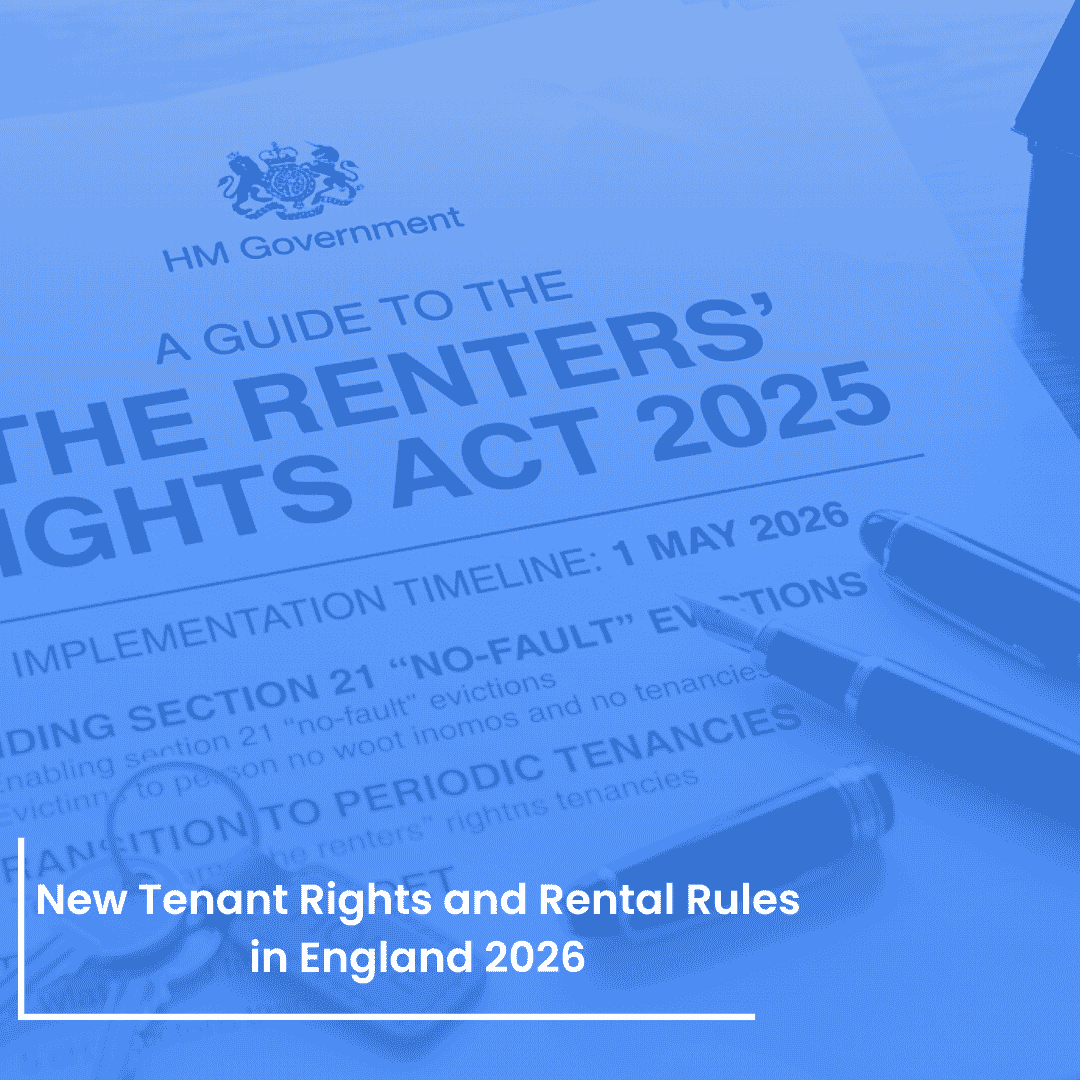
From 1 May 2026, the Renters’ Rights Act 2025 will fundamentally reshape England’s private rented sector (PRS). Described as the biggest overhaul in decades, the Act aims to rebalance power between landlords and tenants—placing greater emphasis on security, fairness, and standards.
Whether you’re a landlord, tenant, or property professional, these reforms will change how renting works in practice.
A Turning Point for Renting in England
For years, the rental market has been criticised for insecurity, rising costs, and inconsistent standards. This reform is the government’s attempt to address those concerns by giving tenants more stability while tightening expectations on landlords.
But this isn’t just a policy tweak. It’s a structural reset.
The End of “No-Fault” Evictions
One of the most talked-about changes is the removal of Section 21 evictions.
Until now, landlords could ask tenants to leave without providing a reason. From May 2026, that route disappears. Evictions will only be allowed under specific legal grounds—such as rent arrears or if the landlord genuinely needs to sell the property.
For tenants, this means greater security. For landlords, it means a more formal and sometimes longer process to regain possession.
Fixed Terms Are Being Phased Out
Another major shift is the move away from fixed-term tenancy agreements.
Instead of signing a contract for 6 or 12 months, tenants will move onto open-ended agreements. They can leave with notice when needed, rather than waiting for a contract to expire.
This creates flexibility—but also uncertainty. Landlords may find it harder to predict how long a tenant will stay, while tenants gain more control over their living arrangements.
Rent Increases Become More Controlled
Under the new system, rent increases won’t disappear—but they will be more regulated.
Landlords will be limited in how often they can raise rent and will need to give proper notice. Tenants will also have the right to challenge increases if they believe they’re unfair.
The goal is simple: fewer sudden price jumps and more transparency in how rents are set.
A Ban on Bidding Wars
If you’ve ever felt pressured to offer above the asking rent just to secure a property, that practice is being targeted.
The new rules require landlords to advertise a clear rental price and stick to it. This aims to level the playing field, especially in competitive areas where demand far outstrips supply.
More Inclusive Renting
The Act also addresses discrimination in the rental market.
Landlords will no longer be able to refuse tenants simply because they have children or receive benefits. This change could open doors for many households who have historically struggled to find suitable housing.
New Everyday Rights for Tenants
Some of the most practical changes will show up in day-to-day renting:
- Tenants can request permission to keep pets, and landlords must consider this reasonably
- Limits will be placed on how much rent can be requested upfront
- Clearer expectations around property standards and repairs
These changes may seem small individually, but together they significantly improve the renting experience.
What This Means in Reality
For tenants, the reforms bring something that has often been missing: stability. The ability to plan ahead, stay longer, and challenge unfair treatment is a big step forward.
For landlords, the landscape becomes more regulated and arguably more complex. Success in this new environment will depend on understanding the rules, maintaining good relationships with tenants, and thinking long-term rather than short-term.
Will It Change the Market?
That’s the big question.
Supporters believe these reforms will create a fairer and more professional rental sector. Critics worry that increased regulation could push some landlords out of the market, reducing supply.
The truth will likely sit somewhere in between—but one thing is certain: the way people rent and let property in England is changing for good.
Final Thought
The Renters’ Rights Act 2025 isn’t just another housing update—it’s a shift in mindset.
Renting is moving away from short-term flexibility toward longer-term security and accountability. Whether you’re a tenant or a landlord, understanding these changes now will make a big difference when they come into force in May 2026.